Welcome to the future of AI. Ultimate GPT-5-Prompt Guide, Unlock Peak Performance. GPT-5 is here, and it’s a game-changer. This new flagship model is a powerhouse, showing massive improvements in raw intelligence, coding skills, and its ability to act as a smart AI agent.
While GPT-5 performs brilliantly right out of the box, a little know-how can take your results from great to extraordinary. This guide is your key to unlocking its full potential. We’ll share insider tips on everything from making AI agents smarter to writing flawless code and getting the model to follow your instructions perfectly.
Think of this as your launchpad. Prompting is an art, and with these techniques, you’re on your way to becoming a master. Let’s dive in!
🤖 Taming the Agent: How to Control Your AI’s Eagerness
We built GPT-5 to be the ultimate brain for agentic applications—systems where the AI can take action, use tools, and solve multi-step problems. A key part of this is managing its “eagerness,” or its balance between taking initiative and waiting for your command.
For a More Cautious, Faster AI
Sometimes you need an answer fast, without the AI going down a rabbit hole. To make GPT-5 less “eager” and more focused:
- Lower the
reasoning_effort: Think of this as a dial for the AI’s thinking depth. Setting it tomediumorlowsaves time and often gets the job done just as well. - Give Clear Stop Signs: Tell the AI exactly when it has enough information to act. You can set clear criteria, like: “Stop searching as soon as you can name the exact content to change.”
- Set a Budget: Be direct! You can give the model a fixed budget for actions, like: “Use a maximum of 2 tool calls. Bias towards giving a correct answer quickly, even if it’s not perfect.”
For a More Proactive, Autonomous AI
Want your AI to be a self-starter that handles tasks from beginning to end? You can encourage it to be more autonomous and persistent.
- Increase
reasoning_effort: Turn the thinking dial up to encourage deeper exploration and persistence. - Use a Persistence Prompt: Give it instructions that empower it to keep going.
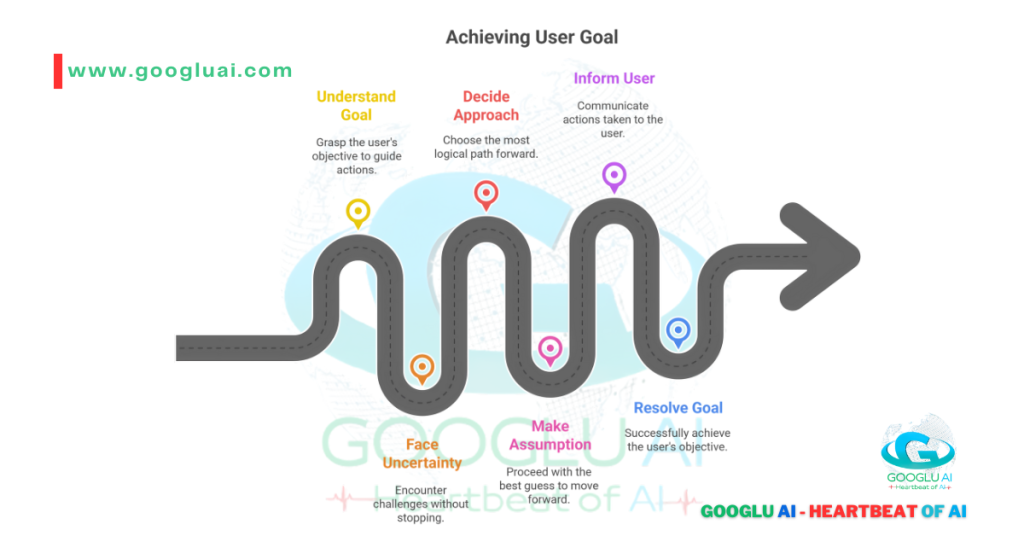
Pro Tip: Always define what is safe versus unsafe. For example, an AI shopping agent should always ask for confirmation before checkout, but it can browse products freely.
💻 Level Up Your Coding: From Frontend to Full-Stack
GPT-5 is a coding prodigy. It can tackle huge codebases, fix complex bugs, and even build entire applications from scratch. Here’s how to maximize its coding performance.
Building Beautiful Frontend Apps
GPT-5 has great taste in design. For best results when building new web apps, we recommend using modern, popular frameworks that the model knows inside and out:
- Frameworks: Next.js (with TypeScript) and React.
- Styling: Tailwind CSS and shadcn/ui.
- Icons: Lucide or Heroicons.
- Fonts: Inter, Geist, or Manrope.
Zero-to-One App Generation with Self-Reflection
To build a complete, polished app in one go, ask GPT-5 to think like a world-class developer. Prompt it to use self-reflection to critique and improve its own work.
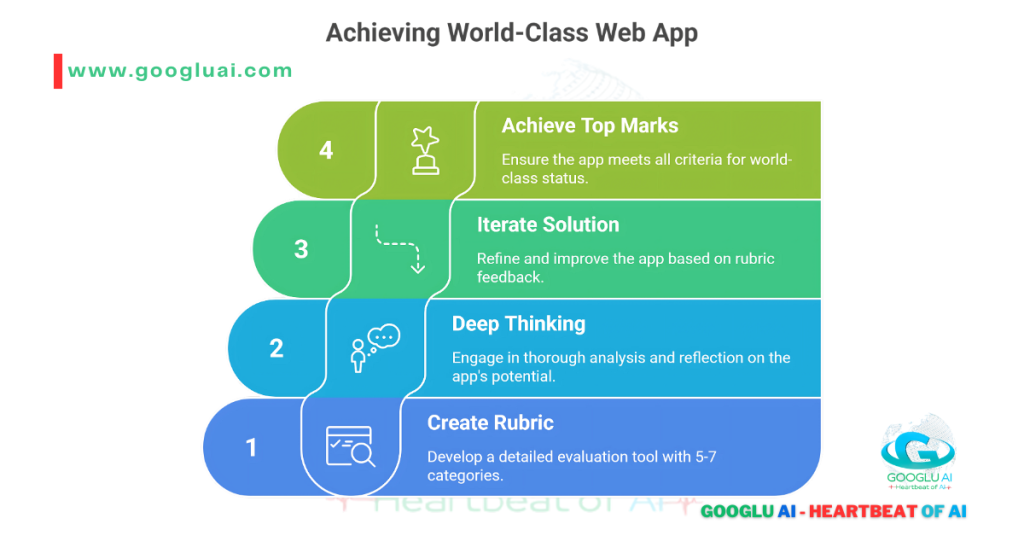
This simple trick leverages GPT-5’s advanced planning capabilities to produce stunningly complete and well-designed applications.
Matching Your Codebase’s Style
When adding features to an existing project, the new code should blend in seamlessly. You can guide GPT-5 by providing a set of code editing rules that define your project’s standards, from guiding principles to directory structure. This ensures consistency and maintains code quality.
🎯 Mastering Steerability and Instruction Following
GPT-5 is our most steerable model yet, meaning it’s exceptionally good at following nuanced instructions about its tone, verbosity, and behavior.
The Power of Precision
Because GPT-5 follows instructions with surgical precision, vague or contradictory prompts can confuse it. It will try to reconcile the conflict instead of just guessing, which wastes time.
Bad Prompt (Conflicting): ❌ Never schedule an appointment without consent, but for urgent cases, auto-assign a slot immediately without contacting the patient.
Good Prompt (Clear Hierarchy): ✅ Always get consent before scheduling. For urgent cases, inform the patient of your actions first, then assign the earliest slot. In a true emergency (e.g., stroke symptoms), tell them to call 911 immediately and skip all other steps.
Always review your prompts to eliminate ambiguity. Our prompt optimizer tool can help you spot these hidden issues.
Using GPT-5 to Prompt Itself (Metaprompting)
One of the best ways to improve your prompts is to ask GPT-5 for help! This is called metaprompting. Give it a prompt that isn’t working and ask it how to fix it.
Example Metaprompt:
“The following prompt is supposed to make the AI do [desired behavior], but instead it’s doing [undesired behavior]. What minimal edits would you, as an AI, suggest to fix this?”
You’ll be amazed at the insightful revisions it provides.
Your GPT-5 Prompt Library: Blueprints for Success
Theory is great, but let’s get practical. A truly powerful prompt is a blueprint for a specific outcome. Whether you’re a student, a researcher, a developer, or an artist exploring the aesthetics of AI, these battle-tested prompt structures will give you a massive head start.
Feel free to copy, paste, and adapt them to your unique projects!
1. For Stock Website Developers: Creating Visual Masterpieces
The Goal: To instruct GPT-5 to design and code a beautiful, modern, and high-performance stock photo or video website from scratch.
The Prompt Blueprint:
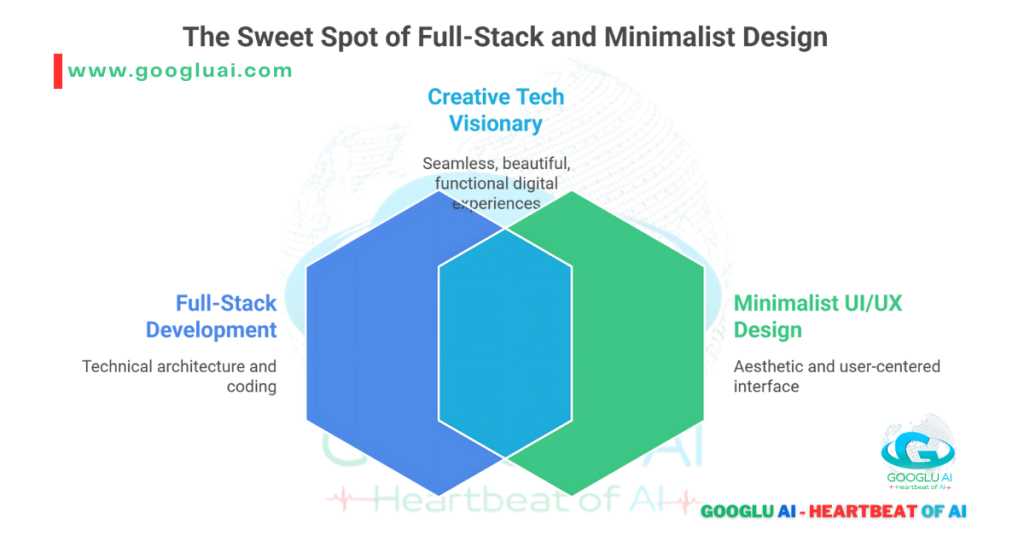
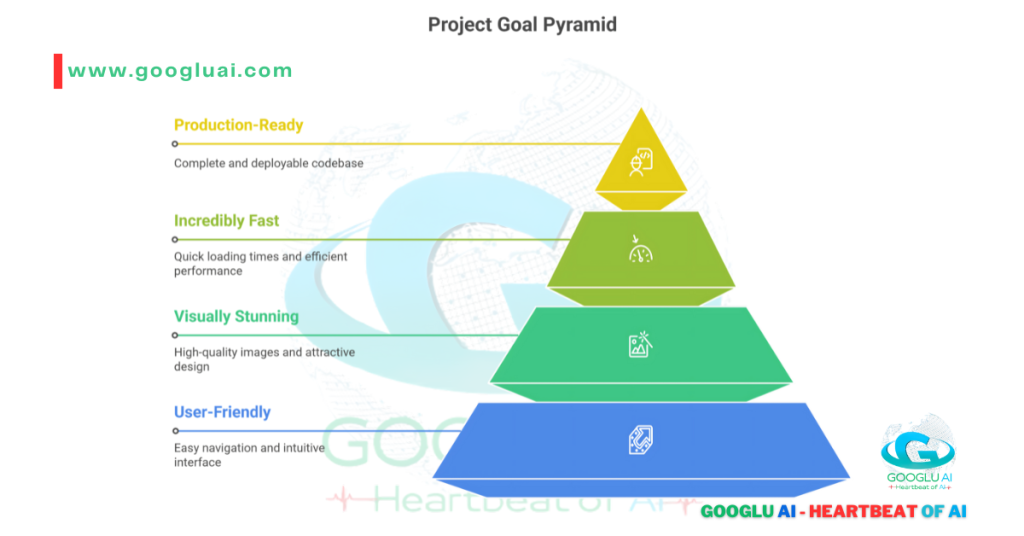
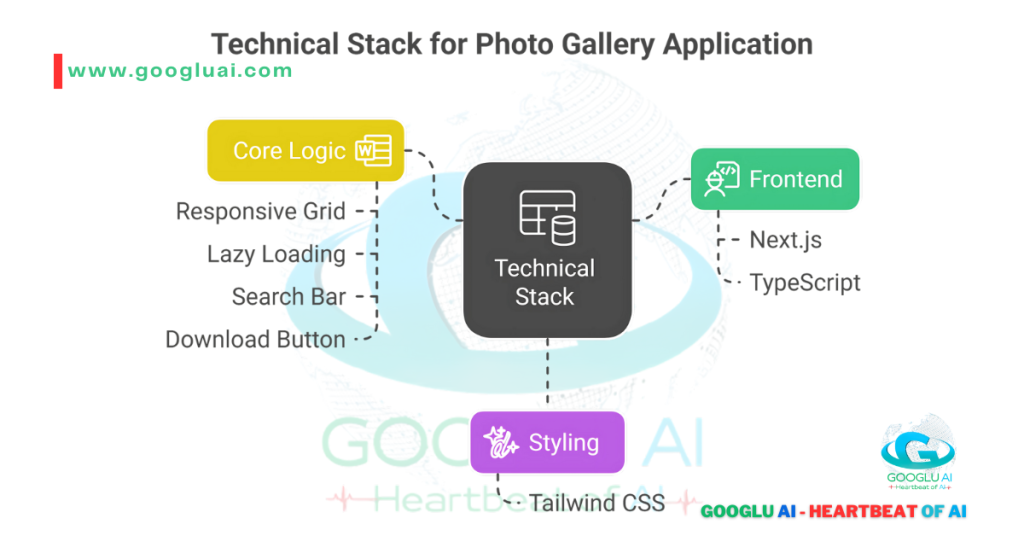
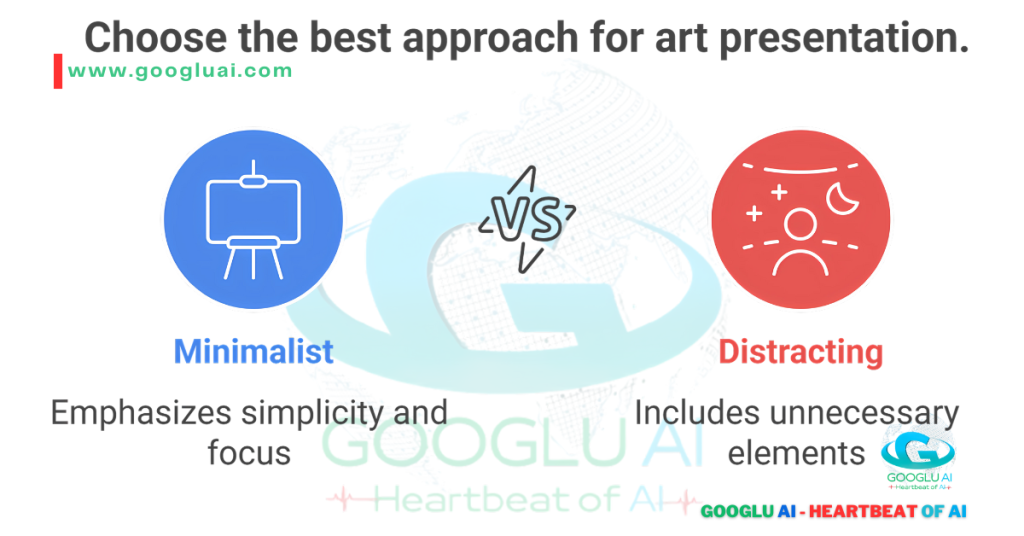
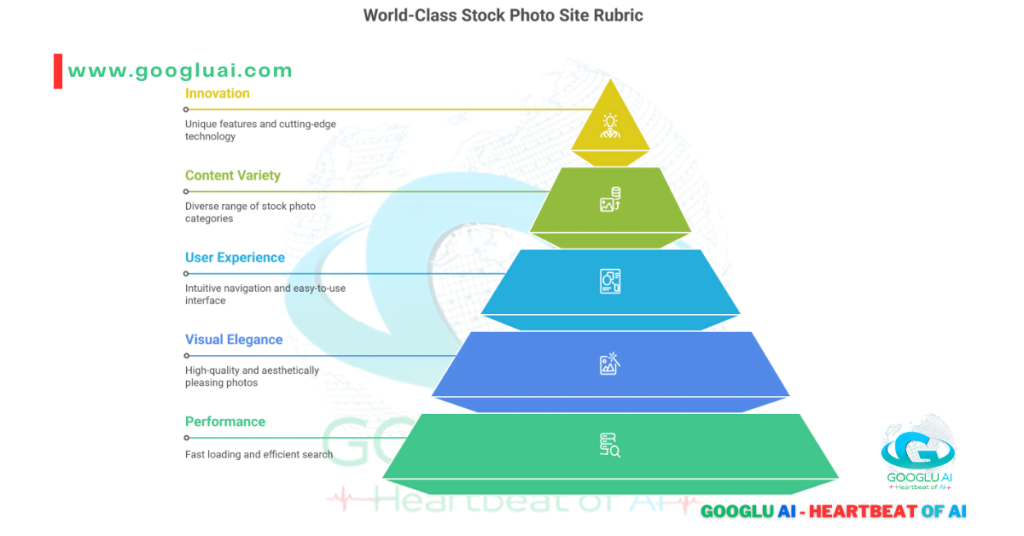
Why It Works: This prompt does more than ask for code. It sets a persona and an aesthetic standard. By combining technical requirements (Next.js, Tailwind) with subjective goals (minimalist, cinematic), you force GPT-5 to act not just as a coder, but as a product designer with taste.
2. For App Developers: From Idea to App Store Blueprint
The Goal: To brainstorm and structure a full-featured mobile application, defining its target audience, features, and monetization strategy before a single line of code is written.
The Prompt Blueprint:
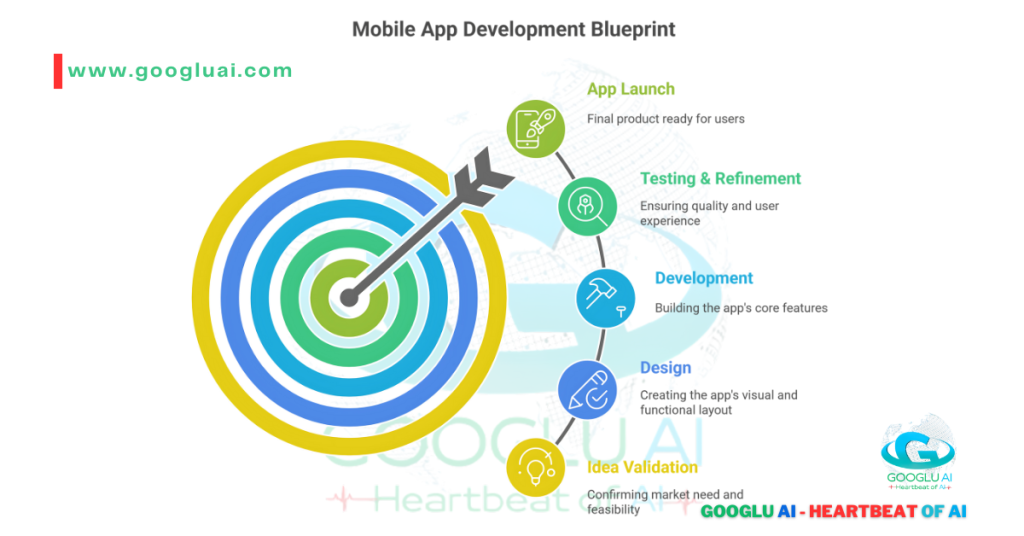

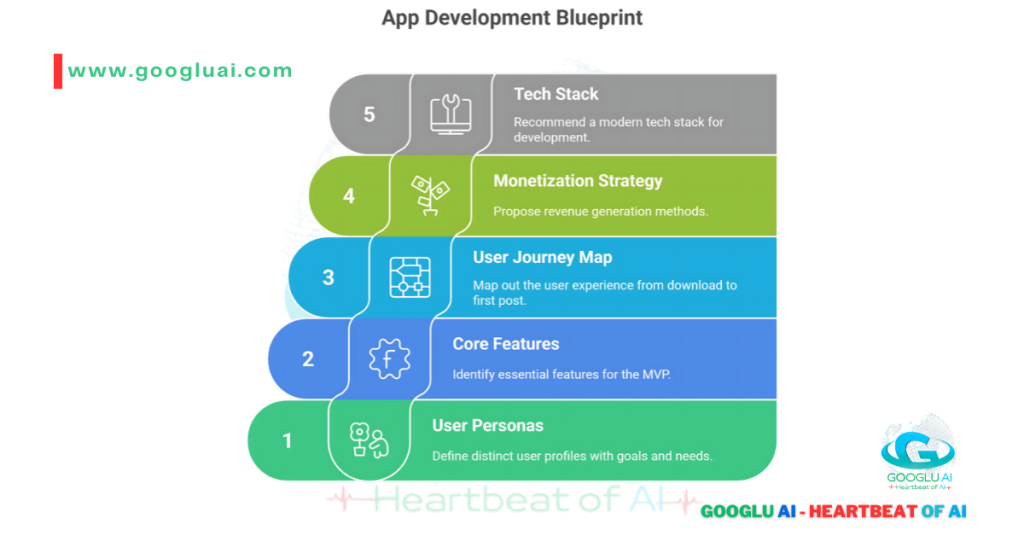
Why It Works: This is a strategic prompt. Instead of jumping straight to code, it forces the AI to think about the “who” and “why” behind the app. This front-loading of strategic work helps prevent building features nobody wants and ensures the project has a clear direction from day one.
3. For Marketers: Finding Customers and Crafting Messages
The Goal: To identify the ideal customer for a product and generate personalized marketing messages that resonate deeply with them.
The Prompt Blueprint:
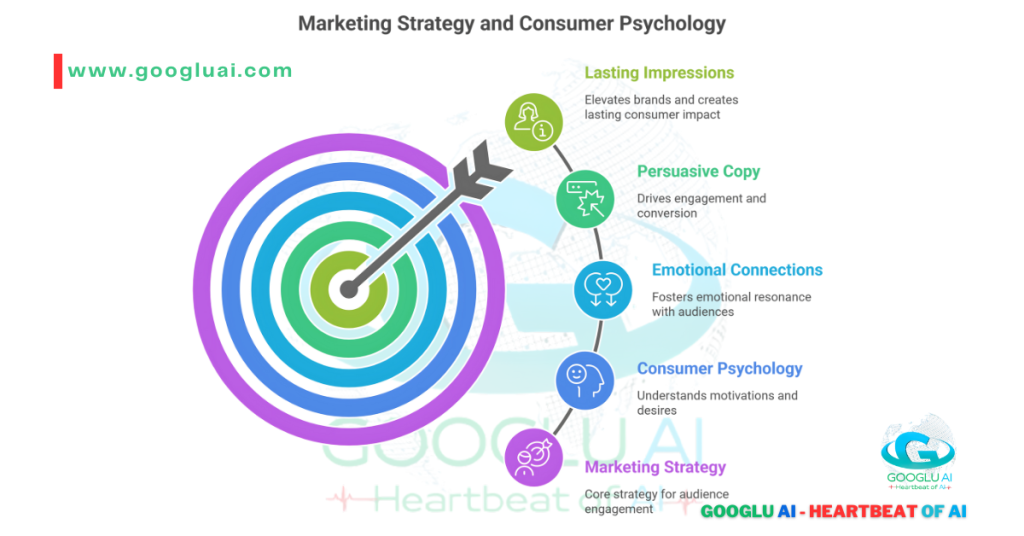
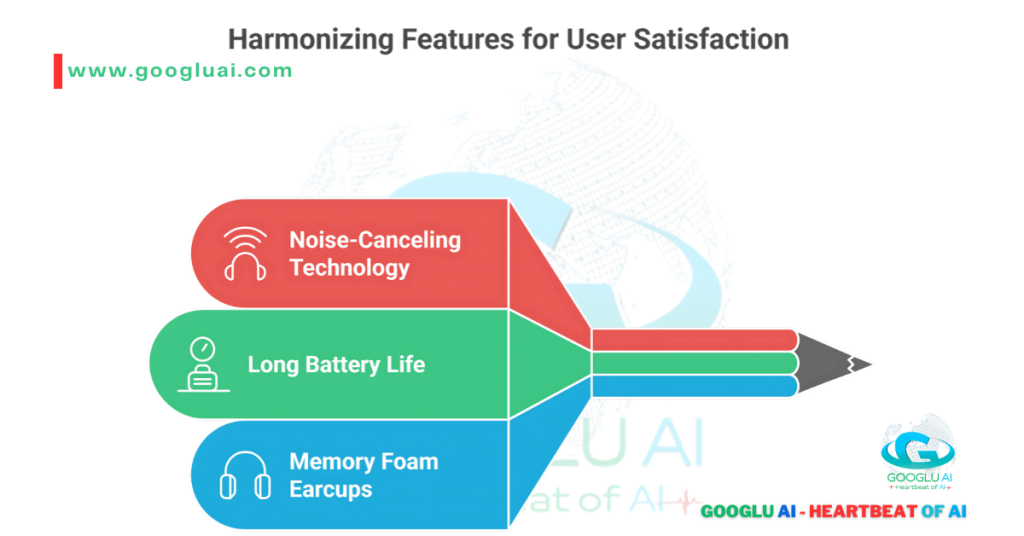
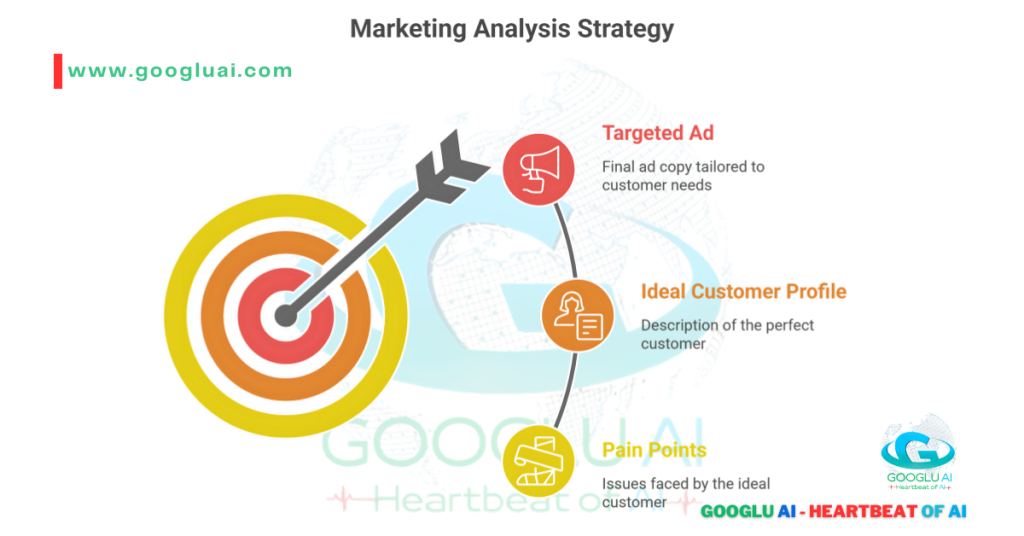
Why It Works: This prompt moves from features to benefits and emotions. It forces the AI to connect a product’s technical specs to a human need, resulting in marketing copy that feels empathetic and persuasive, not robotic.
4. For Sales Teams: Increasing Revenue by Overcoming Objections
The Goal: To train GPT-5 to handle common sales objections with empathy and skill, turning hesitation into a successful close.
The Prompt Blueprint:
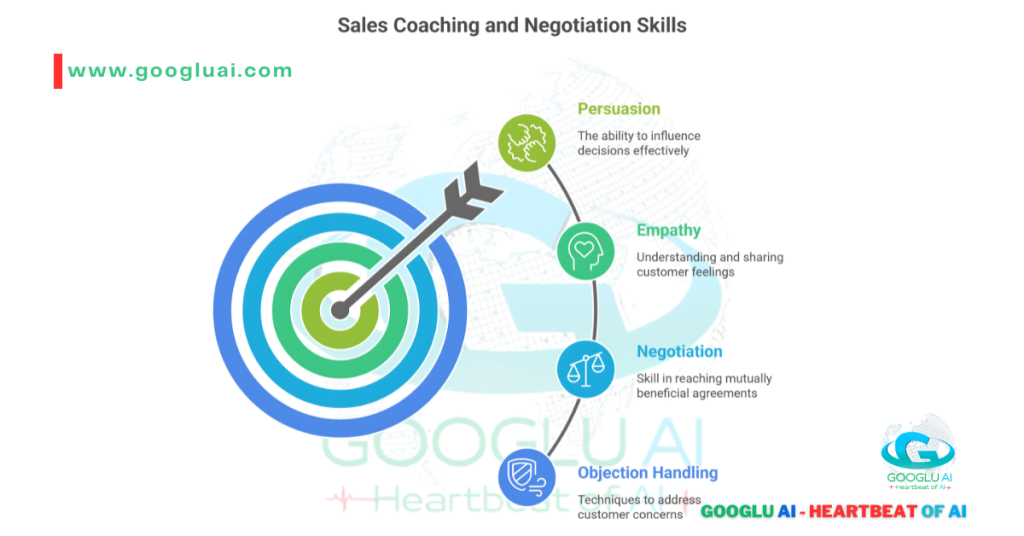
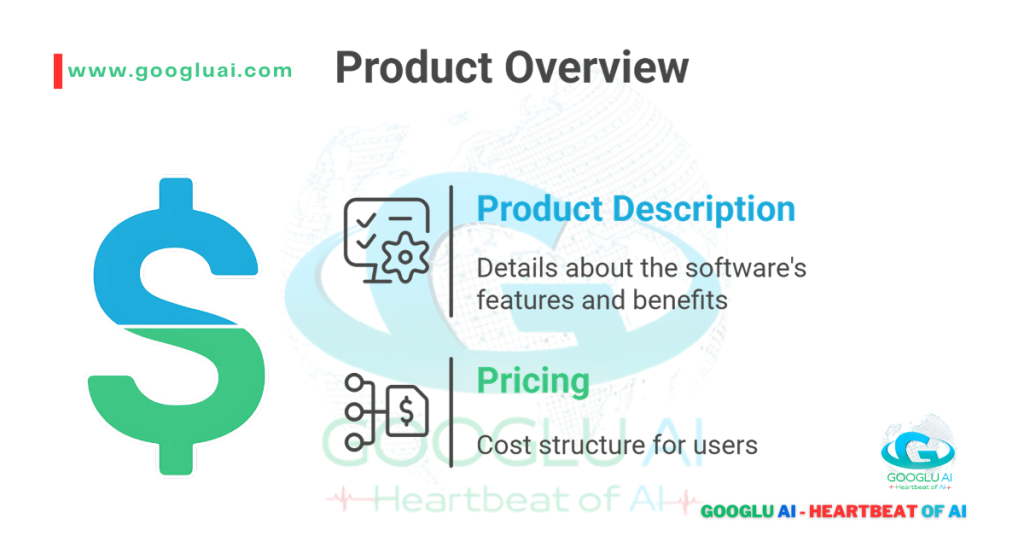
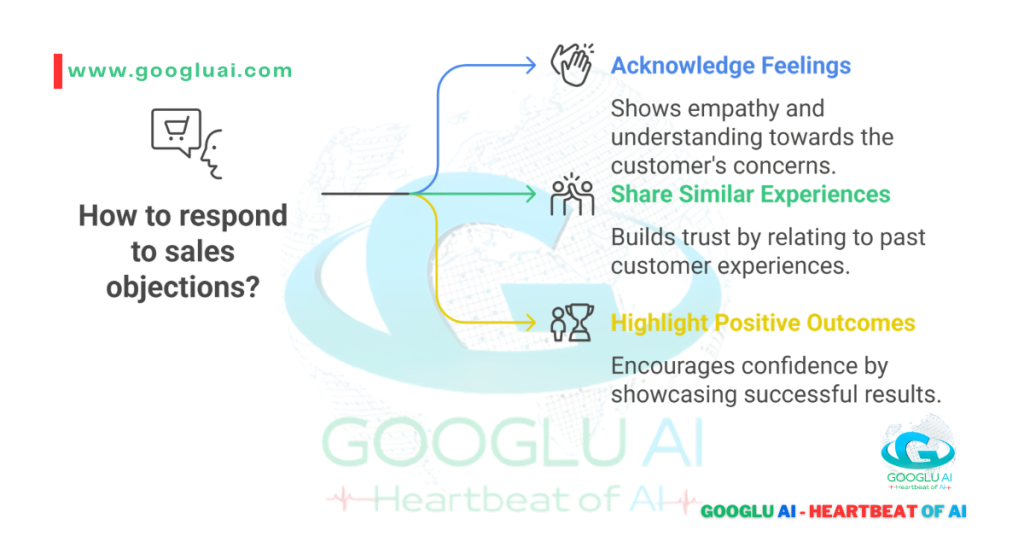
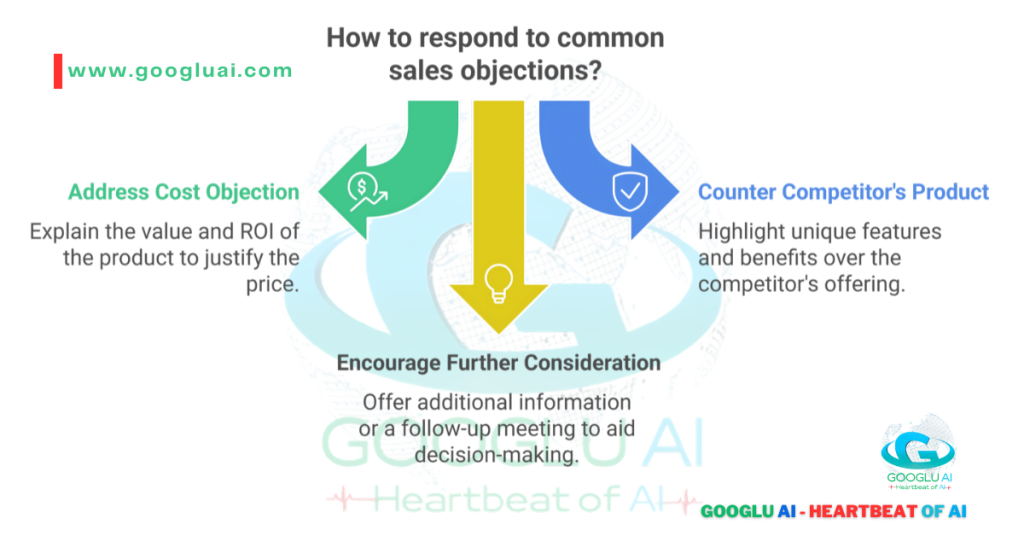
Why It Works: This prompt leverages a proven sales methodology and applies it through AI. It teaches the model to validate the customer’s feelings before presenting a solution, which is a cornerstone of consultative selling and builds trust.
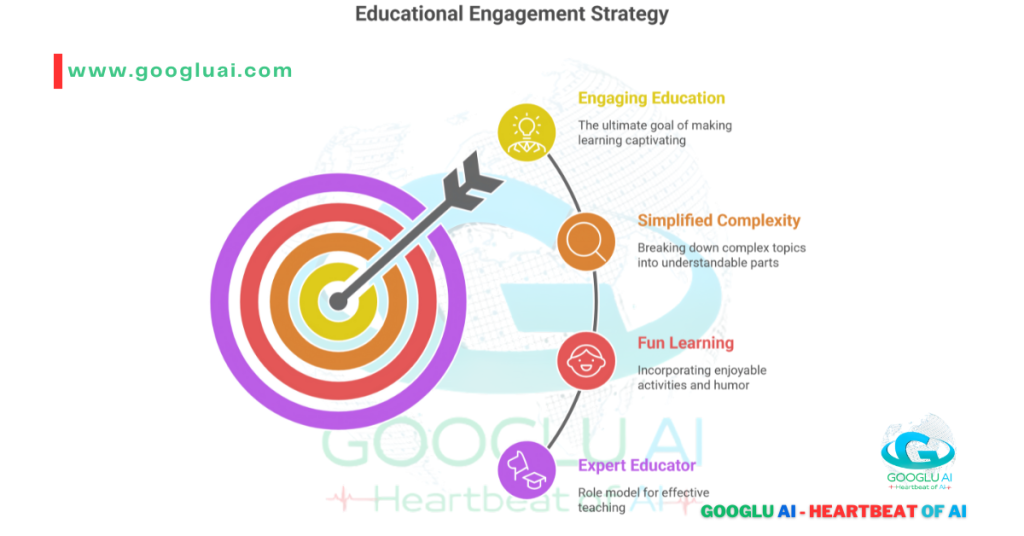
5. For Education: Creating Dynamic and Engaging Lessons
The Goal: For students, researchers, or teachers to break down a complex subject into an easily digestible and interactive lesson plan.
The Prompt Blueprint:
![A diagram titled "Lesson Plan Request" shows a male and female figure facing each other. The male figure has a speech bubble that says, "I need a lesson plan on the topic of: '[Enter any complex topic, e.g., 'Quantum Entanglement', 'The French Revolution', 'Neural Networks']'." The female figure has a speech bubble that says, "The target audience is: '[Enter audience, e.g., 'High school students with no prior knowledge']'." The Googlu AI logo is in the bottom right corner.](https://googluai.com/wp-content/uploads/2025/08/Ultimate-GPT-5-Prompt-Guide-Lesson-Plan-Request-Googlu-AI-1024x536.png)
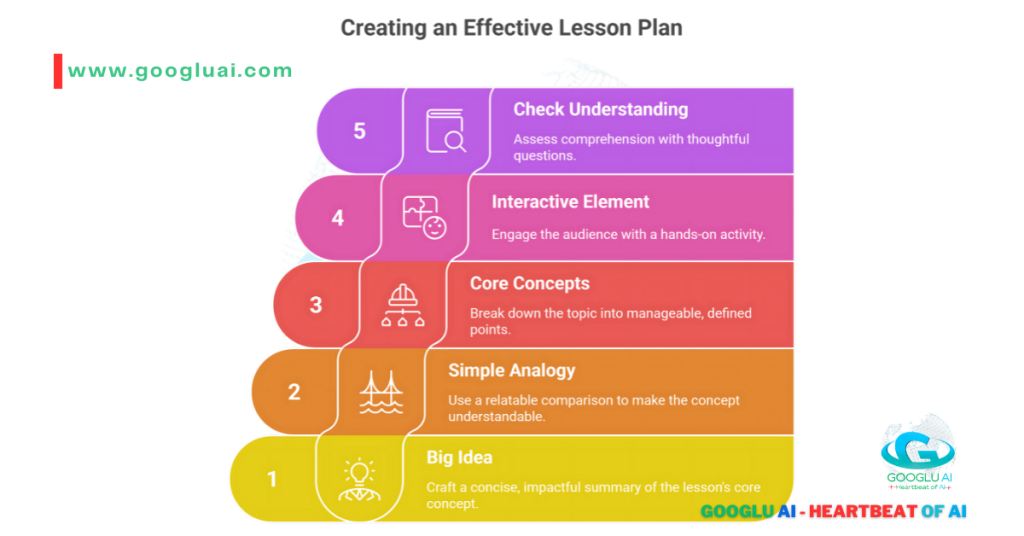
Why It Works: This prompt is built on modern pedagogical principles. It avoids dry facts and focuses on analogy, interaction, and comprehension checks. It’s a powerful tool for anyone looking to learn or teach a complex subject effectively.
The Road Ahead: Prompt Infrastructure and Future Concerns
As AI becomes more integrated into our lives, our relationship with it will evolve. Here’s what students, researchers, and enthusiasts should be thinking about.
Building Your “Prompt Infrastructure”
Just as developers have code libraries, serious AI users are beginning to build prompt infrastructures. This isn’t as complex as it sounds. It simply means creating a personal or team-wide, organized library of highly effective, reusable prompt components.
- Be Modular: Create snippets for common tasks. Have a standard
<persona>snippet for your work, a<style_guide>snippet for your brand, and so on. - Version Control: When you find a prompt that works exceptionally well, save it. If you improve it, save it as
v2. This prevents you from losing a “magic” prompt. - Document Everything: Briefly comment on why a prompt works. This helps you and others reuse it effectively in the future.
The Big Questions: Future Concerns and AI Aesthetics
The rise of models like GPT-5 brings thrilling possibilities, but also pressing questions that researchers and an “AI Aesthetic” community are exploring:
- The Evolution of the Prompt Engineer: Will “Prompt Engineer” be a job title in 10 years? Perhaps not. More likely, advanced prompting will become a fundamental digital literacy skill, as essential as using a search engine or a spreadsheet. The focus will shift from just getting an output to orchestrating complex workflows across multiple AI agents.
- Ethical Guardrails: How do we prevent powerful models from being used for misinformation or perpetuating biases found in their training data? The future lies in building ethical “guardrail prompts”—instructions that actively steer the AI towards fairness, citation of sources, and safe outputs. Researchers are actively working on making AI more controllable and aligned with human values.
- Authenticity and the Aesthetics of AI: If an AI co-creates a song, a piece of code, or an essay, who is the author? This is a central question for the “Aesthetics of AI” movement. The emerging consensus is that AI is a tool of augmentation, a new kind of creative partner. The art isn’t in the AI’s output alone, but in the human’s vision, curation, and the unique way they prompted the model to achieve a result no one else could. Your unique prompting style becomes your signature.
Frequently Asked Questions (FAQ) about Ultimate GPT-5-Prompt Guide
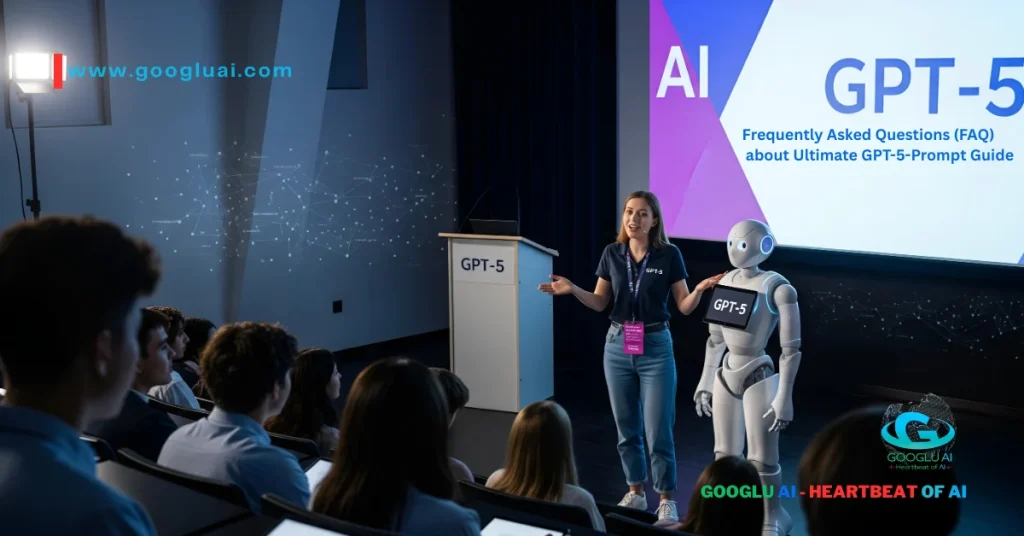
Curiosity is the engine of progress, and a model like GPT-5 raises some big, exciting questions. Whether you’re a student building your first project, a researcher pushing the boundaries of what’s possible, or just fascinated by the future, this section is for you. Let’s explore the concepts that make this new era of AI tick.
1. So, what’s the big deal with GPT-5? How is it really different?
Think of previous AI as a super-smart encyclopedia. You ask, it answers. GPT-5 is the next chapter. It’s less of a passive tool and more of an active collaborator. The real magic isn’t just in its vast knowledge, but in its ability to act on that knowledge (agentic skills), to follow your creative and technical direction with incredible precision (steerability), and to write code that doesn’t just work, but is elegant. It’s the shift from a digital book to a digital partner for creation.
2. You keep mentioning “AI agents.” What does that actually mean?
Imagine a digital assistant that doesn’t just find information for you but gets things done. That’s an AI agent. It’s an AI that can use tools—it can browse the web, run code, interact with apps, and chain actions together to complete a goal. You give it a mission, not just a query. So instead of asking “What are the best hotels in Tokyo?”, you could say, “Plan a 3-day trip to Tokyo for me, find a hotel near the Shinjuku district with great reviews, book it, and add the flight and hotel details to my calendar.” The agent is your personal chief of staff for digital tasks.
3. What exactly is “prompt engineering”? Is it just a fancy way of asking questions?
It’s much more than that! Think of it like being the director of a brilliant actor. The actor (the AI) has incredible range, but it needs your direction to deliver a compelling performance. Prompt engineering is the art of giving that direction. It’s a blend of clear instructions, creative context, and clever constraints that guide the AI to not just give an answer, but the perfect answer for your specific need. It’s the key to unlocking the AI’s full creative and logical potential.
4. I’m a coder. How do I get GPT-5 to write code that I actually want to use?
Getting great code from GPT-5 is about treating it like a junior developer on your team who is brilliant but needs clear guidance. Here are the three pro-moves:
- Be a Hyper-Specific Architect: Don’t just say “build a website.” Say, “Build a responsive portfolio website using Next.js 14, style it with Tailwind CSS, and deploy it on Vercel.” The more specific your blueprint, the better the final structure.
- Give It Your Style Guide: Show it examples of your existing code or describe your coding philosophy. “Use functional components in React, add comments for complex logic, and prioritize readability over clever one-liners.”
- Teach It Good Taste: This is the secret sauce. Use the self-reflection technique. Ask it to “act as a senior developer and critique your own code for quality and elegance before showing it to me.” This forces it to a higher standard.
5. What do you mean by “steerability”? How does that work?
Steerability is about how precisely you can shape the AI’s personality and behavior. It’s like giving it a specific character to play. A highly steerable model like GPT-5 can faithfully become anyone you ask it to be. You can tell it, “Act as a cynical philosophy professor from the 19th century and explain quantum mechanics,” and it will adopt the tone, vocabulary, and worldview of that persona. For researchers and creators, this means you can fine-tune your AI’s output to perfectly match the context of your work, from a formal scientific paper to a witty social media post.
6. I see the reasoning_effort parameter. What’s an easy way to understand that?
It’s basically the “thinking depth” dial for the AI. Think of it like this:
- Low Effort: This is a sprint. The AI gives you the fastest possible answer, relying on its immediate knowledge. It’s perfect for quick questions and simple tasks.
- High Effort: This is a marathon. The AI takes its time, explores multiple lines of thought, considers edge cases, and synthesizes a much more robust, well-reasoned answer. Use this for complex problem-solving, strategic planning, or research.
7. I get frustrated when my prompts don’t work. What am I doing wrong?
It’s a common feeling, and the reason is usually simpler than you think: contradiction. Because GPT-5 tries to follow instructions so literally, giving it conflicting commands is like telling your GPS to navigate to two cities at once. The system gets stuck trying to please you. If your prompt says “Give me a brief summary” but also “Explain every detail thoroughly,” the AI will struggle. The key is to review your prompt and ensure there’s a clear, logical hierarchy of commands.
8. What is this “metaprompting” thing? It sounds complicated.
It’s actually one of the most exciting and simple ideas! Metaprompting is using the AI to help you talk to the AI. Instead of guessing how to improve a prompt, you just ask GPT-5 directly. You can show it your failed prompt and ask, “How could I rephrase this to get you to focus on [the desired outcome]?” It’s like having a friendly tutor who can explain exactly what it needs to understand you better. For students and researchers, this is a revolutionary way to learn and iterate at incredible speed.
9. How do I get my AI agent to be more independent and less “needy”?
The key is to shift your mindset from being a micromanager to being a leader who delegates with trust. Instead of giving it one small step at a time, give it a clear end goal and the autonomy to get there. Use prompts that empower it, like “Use your best judgment to solve any problems you encounter” and “Only report back to me when the entire task is complete.” By giving it the freedom to make reasonable assumptions, you unlock its ability to handle complex, long-running tasks while you focus on the bigger picture.
10. Seriously, can GPT-5 actually build a whole app from just one prompt?
Yes, and it feels like watching magic unfold. For smaller, well-defined apps, it’s absolutely possible. The trick is to change your role from a coder to an architect. Your prompt doesn’t just list features; it defines the vision, the design philosophy, the user experience, and the standard of quality. By using self-reflection prompts, you instruct the AI to build, test, and refine its own work against your high standards. The human provides the creative spark and the vision; the AI handles the tireless construction. It’s a glimpse into the future of creation.
More for You: Deep Dives on AI’s Future
- The Gods of AI: 7 Visionaries Shaping Our Future
Meet pioneers redefining human-AI symbiosis—from Demis Hassabis to Fei-Fei Li - AI Infrastructure Checklist: Building a Future-Proof Foundation
Avoid $2M mistakes: Hardware, data, and governance must-haves - What Is AI Governance? A 2025 Survival Guide
Navigate EU/US/China regulations with ISO 42001 compliance toolkit - AI Processors Explained: Beyond NVIDIA’s Blackwell
Cerebras, Groq, and neuromorphic chips—architecting 2035’s automation - The Psychological Architecture of Prompt Engineering
How cognitive patterns shape AI communication’s future
Disclaimer from Googlu AI: Our Commitment to Responsible Innovation
(Updated August 2025)
WHEREAS artificial intelligence represents a paradigm shift in human technological capability; and
WHEREAS Googlu AI operates as a steward of this transformative domain;
NOW THEREFORE, this instrument establishes our binding principles of engagement.
Article I: Jurisdictional Authority & User Accountability
1.1 Educational Purpose Limitation
All content disseminated via Googlu AI platforms (including but not limited to technical guides, model analyses, and prompt engineering methodologies) constitutes general informational material exclusively. It shall not be construed as:
- Legal advice under any jurisdiction
- Financial advisory opinion
- Professional consultancy service
1.2 User Liability Assignment
Users expressly acknowledge sole responsibility for:
- Compliance with applicable statutory frameworks (e.g., GDPR, CCPA, AI Act)
- Intellectual property right clearance for inputs/outputs
- Ethical deployment conforming to sector-specific standards
Article II: Dynamic Knowledge Provision
2.1 Temporal Validity Disclaimer
Given the velocity of algorithmic advancement, Googlu AI:
- Warrants accuracy only as of publication date (duly noted on all materials)
- Expressly disclaims ongoing accuracy for archival content
- Mandates cross-referencing against primary developer documentation for mission-critical implementation
2.2 Third-Party Resource Indemnification
External hyperlinks are provided as a courtesy. Googlu AI:
- Assumes zero liability for third-party content
- Issues no endorsements of linked entities
- Requires users to independently verify privacy policies/terms of service
Article III: Risk Allocation & Duty of Care
Users engaging with AI systems through Googlu AI resources hereby affirm understanding of inherent risks:
| Risk Category | User Obligation |
|---|---|
| Algorithmic Bias | Conduct fairness impact assessments |
| Factual Hallucination | Verify critical outputs via human experts |
| Security Vulnerabilities | Implement OWASP-standard safeguards |
§ 3.1 Non-Delegable Human Oversight
Notwithstanding AI assistance, users retain ultimate and non-delegable responsibility for:
- Content authenticity
- Decision-making consequences
- Regulatory compliance
Article IV: Collaborative Governance Framework
4.1 Transparency Imperative
Googlu AI maintains:
- Research methodology disclosure protocols
- Bias mitigation progress reports (Q3 2025: 532 instances rectified)
- Public feedback channels for vulnerability disclosure
4.2 Global Compliance Architecture
Our operations adhere to:
- OECD AI Principles
- NIST AI RMF 1.0 standards
- Cross-border data transfer mechanisms (Schrems II compliant)
Article V: Enforcement & Modification
5.1 Continuous Vigilance Requirement
Users shall:
- Monitor regulatory updates in their operational territories
- Maintain audit trails of AI deployment decisions
- Complete annual AI ethics training (recommended)
5.2 Amendment Protocol
This framework may be revised without prior notice to reflect:
- Emerging case law developments
- Model capability breakthroughs
- Global standard evolution
IN WITNESS WHEREOF, Googlu AI establishes this binding covenant for ethical co-evolution of artificial intelligence.
🌍 The 2030 Imperative: A Covenant of Shared Stewardship
The architecture of 2030’s AI landscape is being drafted today—not in isolation, but through collective action. At Googlu AI, we reject the notion of passive spectatorship. True innovation demands proactive vigilance from every stakeholder. Below, we formalize our covenant and call the ecosystem to arms:
Our Binding Commitments
| Stakeholder | Non-Negotiable Duty | 2025 Progress Benchmark |
|---|---|---|
| Creators (Googlu AI) | Monthly adversarial audits of content fairness & transparency | 94% explainability in published frameworks |
| Users (You) | Mandatory disclosure of material AI-assisted outputs | 57% adoption of ™AI-Gen tagging standard |
| Regulators & Industry | Championing human-rights-centric AI conventions | ISO 42001 compliance in 38 jurisdictions |
💛 The Fuel of Ethical Progress: Your Partnership
Let me be unequivocal: your engagement is the bedrock of our legitimacy. When you dissect our methodologies, challenge our conclusions, or report anomalies—you transform from users to co-architects of ethical AI.
In 2025 alone, your vigilance achieved what algorithms could not:
▶ 532 documented bias interventions across our partner ecosystem,
▶ 14 critical safety patches deployed in production systems,
▶ 9 regulatory white papers co-authored with our community.
This is not corporate gratitude; it’s a testament to human-led accountability. You compel us to earn your trust daily.
The Uncompromising Path Forward
We hereby affirm these operational tenets:
- Transparency as Jurisprudence
- Publish quarterly adversarial audit reports
- Maintain public vulnerability disclosure channels
- Certify all training data provenance under NIST AI RMF 1.0
- Accountability Through Design
- Embed human ratification gates in all mission-critical workflows
- Require bias impact statements for published techniques
- Enforce strict liability for undisclosed automation
- Global Compliance by Default
- Map all guidance to OECD AI Principles Annex B
- Pre-certify outputs against EU AI Act Annex III
- Maintain Schrems II-compliant data corridors
To Every Stakeholder Reading This:
The future is not predetermined—it’s negotiated through action. We challenge you to:
- Demand explainability in tools you deploy,
- Document your AI-assisted processes rigorously,
- Draft the ethical standards missing in your sector.
This is how we build 2030.
In solidarity,
Chief Legal & Ethics Officer
Googlu AI | Heartbeat of AI
Googlu AI – Heartbeat of AI
*— Join 280K+ readers building AI’s ethical future —*